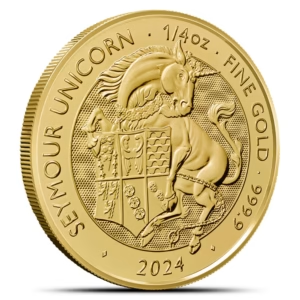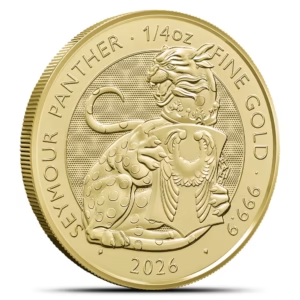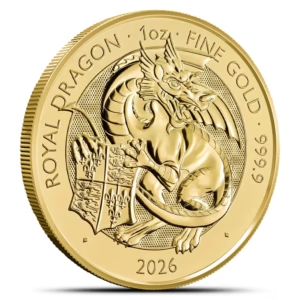
The Royal Mint’s Tudor Beasts bullion coin series explores one of the most distinctive chapters in English royal history, bringing the ten heraldic creatures that once stood guard at Hampton Court Palace during the reign of Henry VIII to modern gold and silver coinage. Released across a multi-year program, the series combines detailed designs with the history and symbolism associated with the Tudor monarchy. The final design in the BU Tudor Beasts Series showcases the Seymour Panther, the primary heraldic emblem of Jane Seymour, third wife of King Henry VIII.
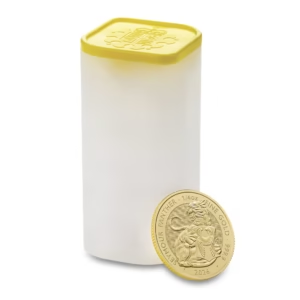
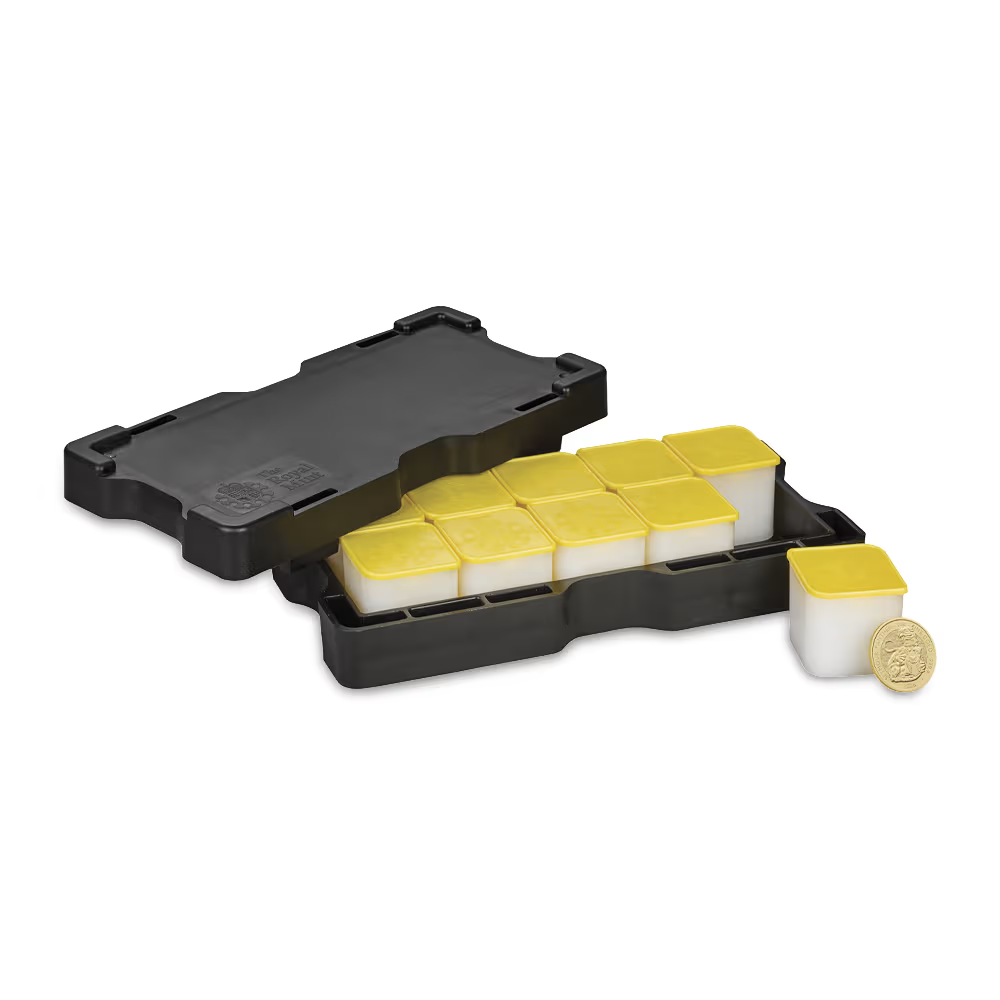
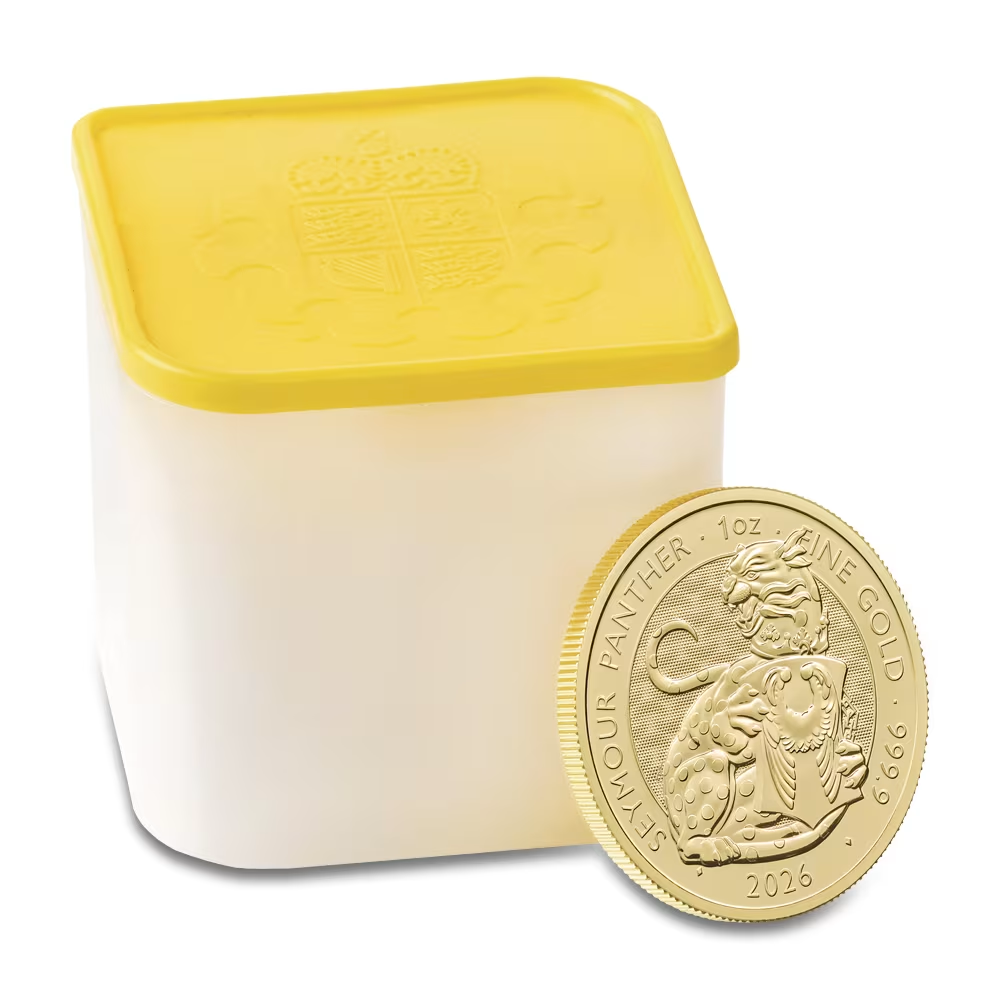
Each 2026 1 oz British Gold Tudor Beasts Seymour Panther Coin available here is in Brilliant Uncirculated condition. 1 oz Gold Tudor Beasts Coins come in protective flips, plastic tubes of 10 coins, or Monster Boxes of 100 coins. Inside each box, you will find 10 tubes of 10 coins each.
The Tudor Beasts Series features heraldic beasts from across the dynasty, with a particular focus on those associated with the reign of King Henry VIII. Henry VIII ruled England from 1509 to 1547, a reign that brought lasting changes to the country’s religious and political landscape. His years on the throne included the English Reformation and separation from Rome, the dissolution of the monasteries, six marriages with dramatically different outcomes, and the emergence of England as an increasingly influential Protestant kingdom.
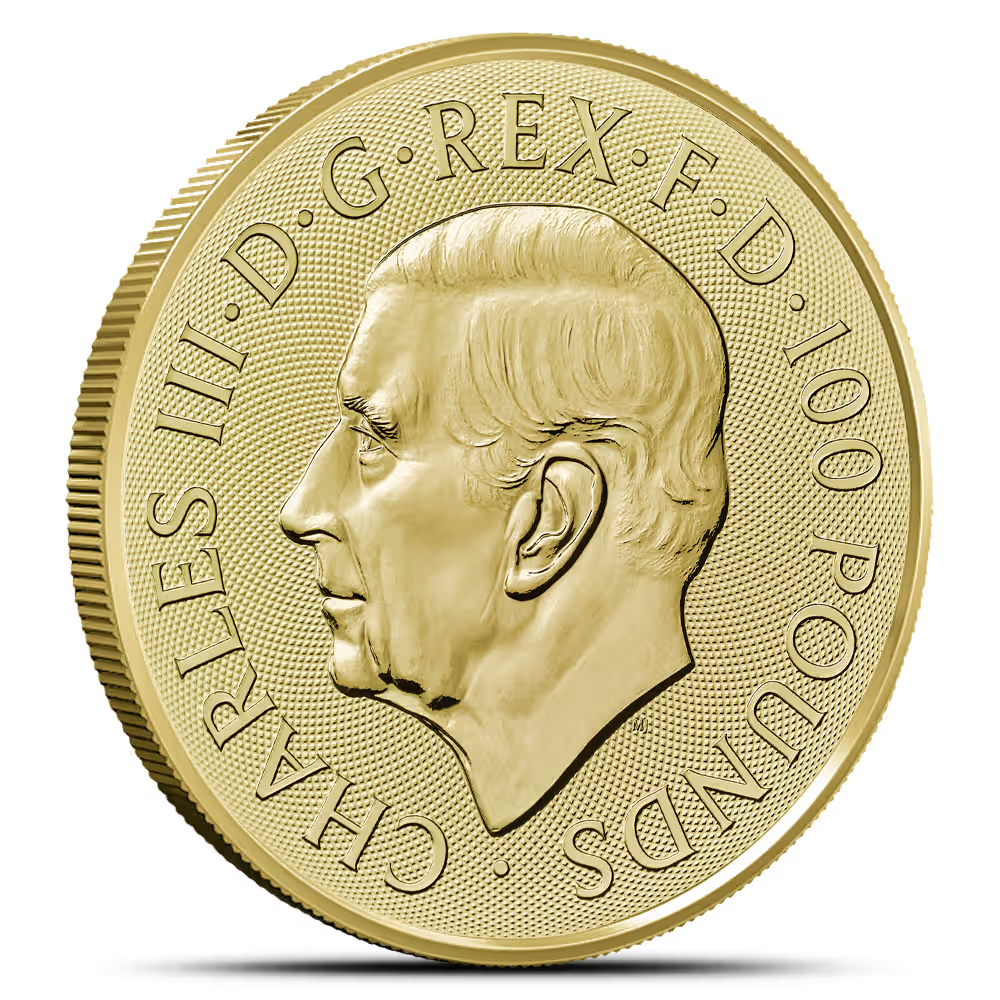
For the obverse of 2026 British Gold Tudor Beasts Seymour Panther Coins, the design features a bust of King Charles III. Martin Jennings’ left-profile portrait of King Charles III for The Royal Mint provides a modern interpretation of the traditional British royal effigy. The design balances the established conventions of royal coinage with a naturalistic treatment of the king’s appearance, creating an image suited to the beginning of a new reign.
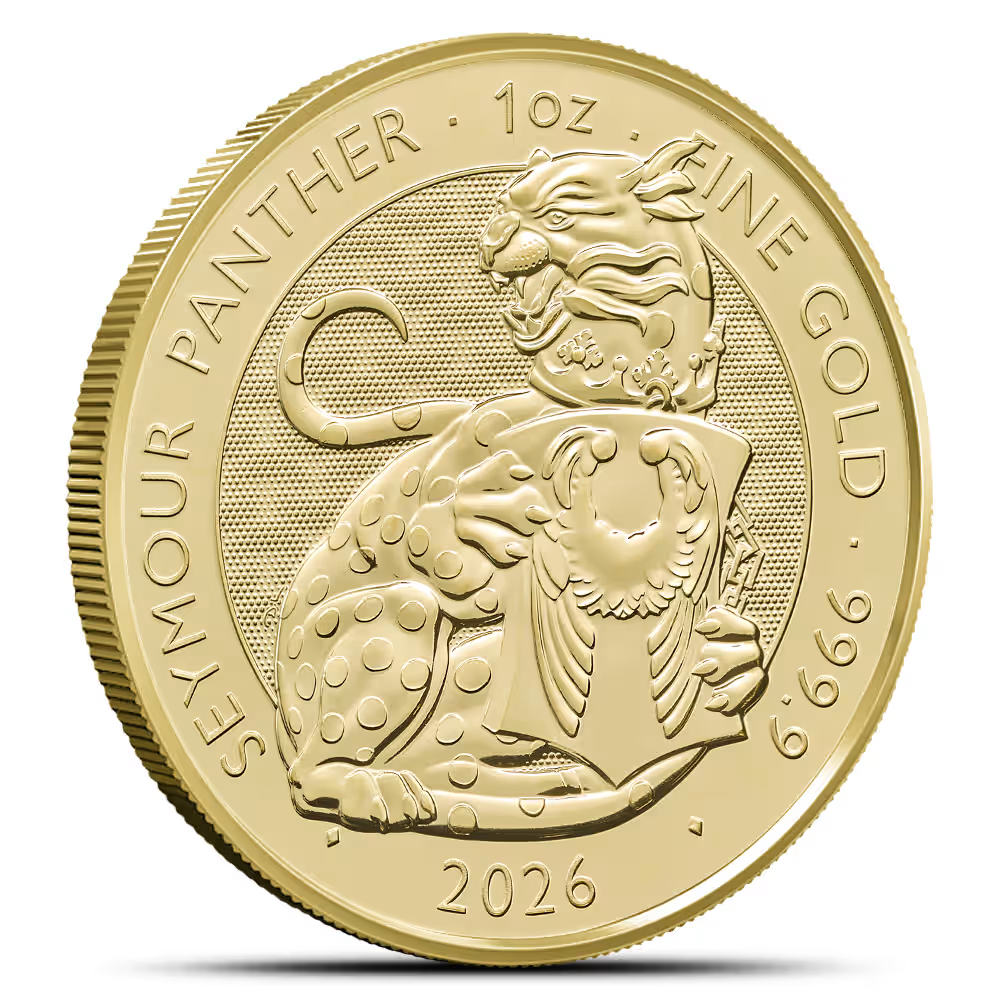
In the reverse of the 2026 1 oz Gold Tudor Beasts Seymour Panther Coins, Jane Seymour’s personal emblem from the Moat Bridge is showcased. The Seymour Panther is among the more distinctive creatures represented within Tudor heraldry. The beast is depicted as a spotted panther seated in a poised position while supporting a shield bearing the Seymour family’s recognizable winged device. The wings conjoined in lure have been associated with peace, freedom, and aspiration, fitting symbols for a family that rose from the provincial gentry to a central position at the Tudor court.